
In this guide
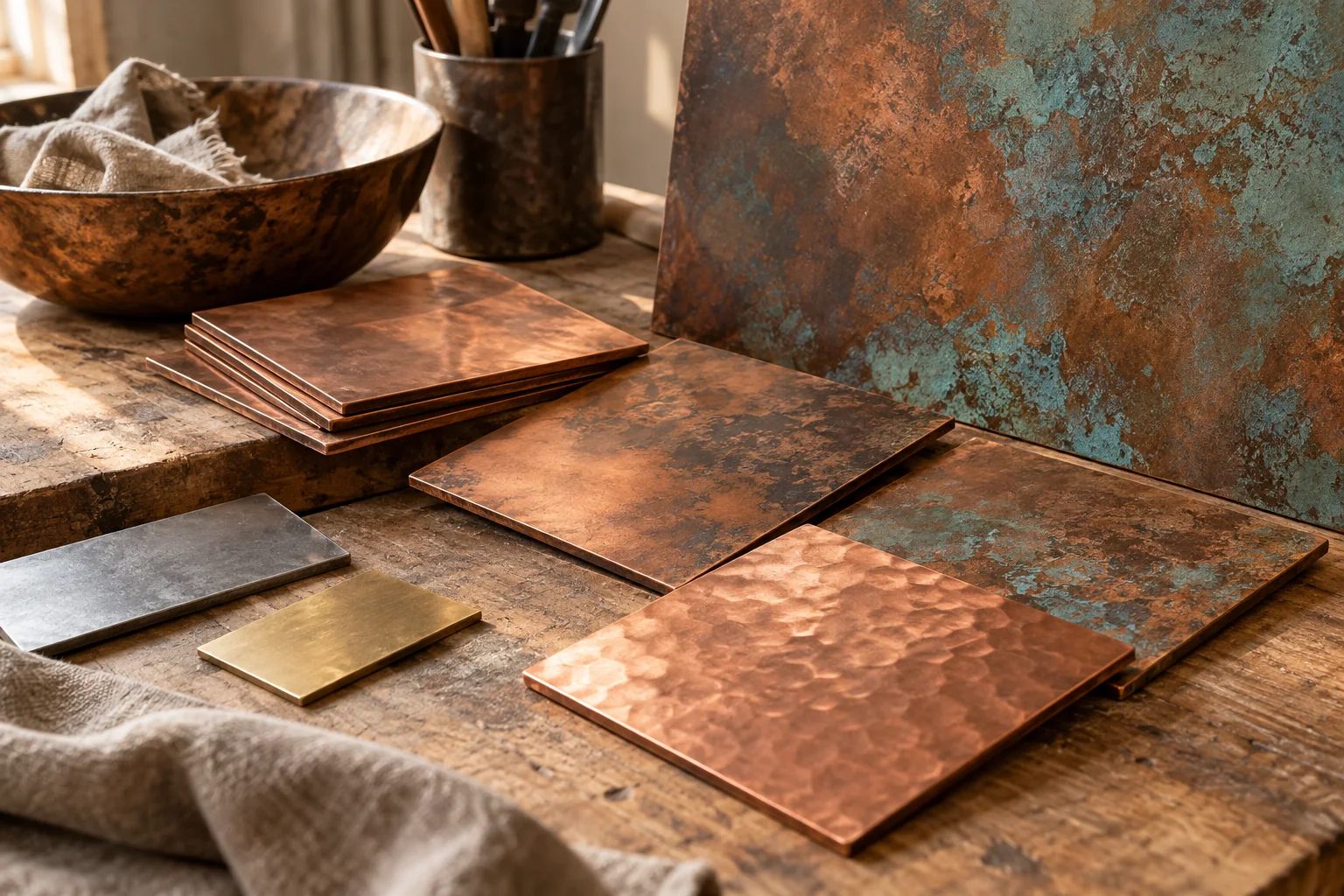
I have run my Etsy shop, CopperAndCraft, since 2018. I handcraft tiles and panels from copper, brass and steel. That means over 4,000 sales, a 4.9/5 rating and most customers in the USA.
Over the years, I have written thousands of messages. With custom-made products shipped overseas, a message often determines whether someone buys.
In my experience, the product was only part of the picture. Quick replies, friendliness and meeting customers halfway helped build trust — even when the mistake was theirs.
The most common types of messages
- Shipping and production times, especially to the USA
- Changes and custom orders
- Material, colour and dimensions
- Complaints and problems after purchase
- “Will this fit?”
- Discounts and larger orders
When handling enquiries for made-to-measure products, collect dimensions, the required delivery date and the destination country first — this reduces the back-and-forth.
Principles that work
- Reply quickly — even with a brief “I’m checking”
- Be specific: dates, dimensions and prices
- Use simple English
- Do not promise what you cannot control
- Be friendly and flexible when the difference is small
- Own your mistakes
For recurring questions, enquiry-handling automation can help collect information and prepare a draft reply for you to check before sending.
Examples from my shop
An honest delivery estimate for California
A customer asked whether a panel would arrive before the end of June.
“Production takes around 6 days, and shipping to California usually takes about 5 days. There is a chance they will arrive before the end of June, but I cannot promise that with 100% certainty.”
My mistake — “That was my mistake”
A customer in the UK received tiles with backing, although they had asked for tiles without it.
“That was my mistake — I’ve had a lot of orders recently.”
I immediately added that there was no need to remove the backing.
A lost parcel
“Unfortunately, UPS lost your parcel. I’m sending it again. It should arrive by the end of the week.”
A customer paid too little
An older customer could not find the link and paid too little for some additional tiles.
“I’ll make those additional tiles for you. You don’t need to pay anything more. They’ll be a gift from me.”
The customer replied that my work was amazing.
Sample shipping was too expensive — a discount saved the sale
A customer in Canada felt that three small samples plus shipping cost too much and wanted to cancel.
“That is what UPS shipping from Poland to your country costs. If you order the set, I’ll reduce the price by $30.”
The customer replied “Fair enough” and placed the order.
The contractor had already started the renovation
A customer wrote just before midnight to say that the contractor had already started and asked for faster shipping.
“Although I have a lot of orders, I’m treating yours as a priority. I’ll ship it tomorrow. I’ll also send you the tracking number tomorrow.”
What to avoid
- Overly long replies
- Reactive replies written without thinking
- Ignoring some of the questions
- Delivery estimates without a time buffer
- Slow replies — check your spam folder too
- Moving the conversation to email unnecessarily
- Asking for a review to be changed or linking a free gift to a review
Slow replies cost money. On several occasions, a customer waited so long that they gave up. Check the spam folder on Etsy too — some messages end up there and sit unread for weeks.
Etsy and your own store
On Etsy, customers message before buying because they are missing information. In your own store, you can reduce those questions with better product descriptions, photos that show scale and an FAQ.

Takeaway
A quick, specific and friendly reply builds trust and reduces problems after purchase.
If you want to organise customer service in your shop, my support services for Etsy sellers explain how I can help.